Beyond the Byways: Discovering the Delicious History of Albanian Qifqi
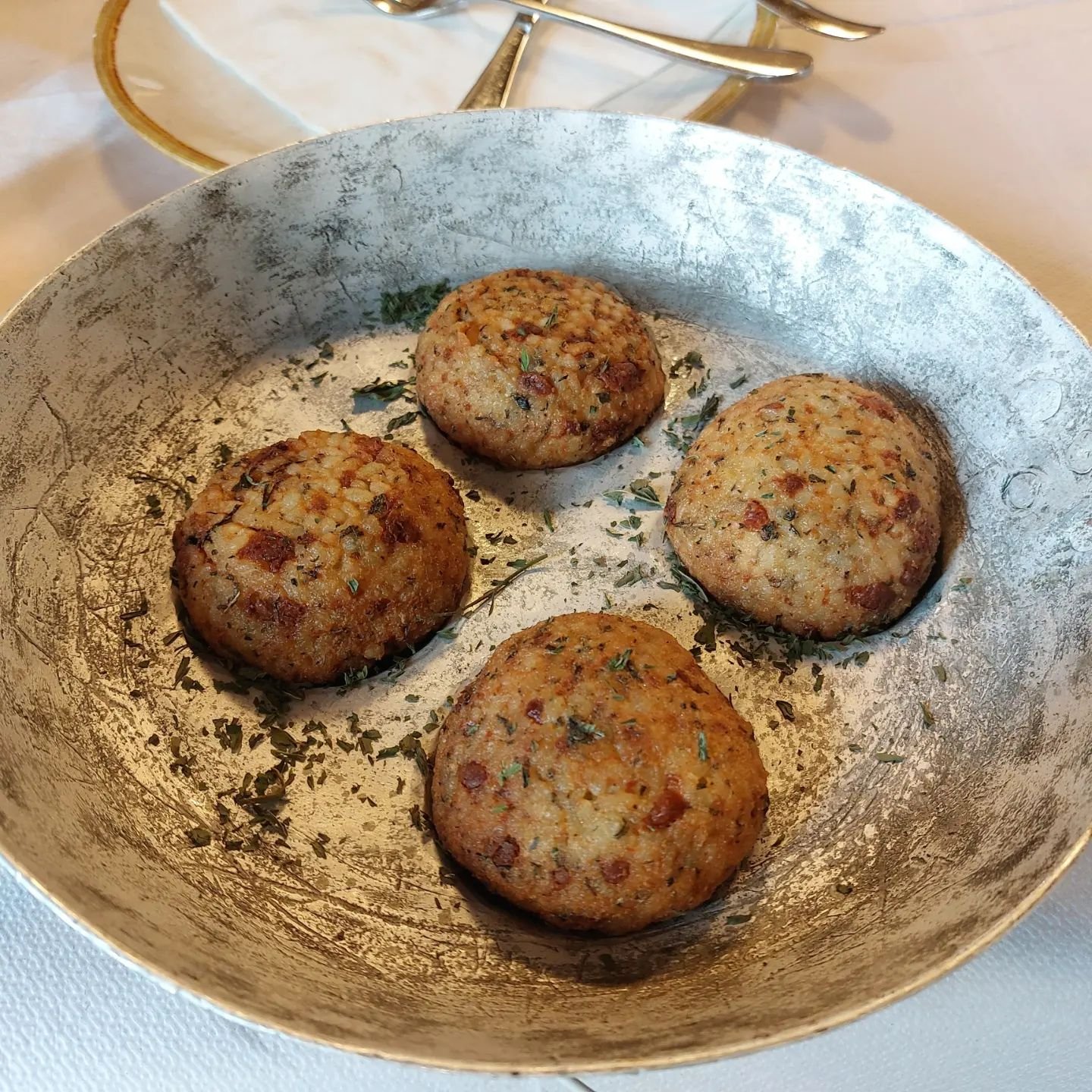
Our cycling adventures through the stunning landscapes of Southern Albania are about more than just conquering climbs and soaking in breathtaking vistas. They're also a journey into the heart of Albanian culture, and what better way to experience that than through its vibrant and flavorful cuisine? Today, we're diving into a dish that's as unique and charming as the cobblestone streets of Gjirokastër: Qifqi.
As you prepare for your cycling days around the historic city, you'll undoubtedly encounter this local delicacy. But Qifqi is more than just a tasty bite; it's a culinary story whispered through generations, deeply rooted in the traditions of this fascinating region.
The Humble Origins:
Qifqi, pronounced roughly "CHIF-chee," hails specifically from the Gjirokastër region of Albania. Its origins are humble, a testament to resourceful cooking with readily available ingredients. Traditionally, it was a dish prepared in households, often for special occasions or family gatherings. It wasn't necessarily a restaurant staple in the past, adding to its authentic and local charm.
Think of it as a savory rice cake, but with a distinctive character all its own. The key ingredients are simple: rice, eggs, herbs (typically mint and dill), and sometimes onions or leeks. What makes it truly special is the preparation and the subtle blend of flavors that come together in each bite.
A Recipe Rooted in Simplicity:
The beauty of Qifqi lies in its straightforward nature. The rice is usually cooked beforehand. Then, it's combined with beaten eggs, chopped fresh herbs, and finely minced onions or leeks (if used). The mixture is then formed into small, elongated shapes, often resembling large croquettes or small cigars. These are then baked in the oven until they achieve a beautiful golden-brown crust and a fluffy, flavorful interior.
While the ingredients are basic, the proportions and the freshness of the herbs are crucial to achieving the authentic taste of Qifqi. Every family in Gjirokastër likely has their own slight variation, passed down through generations, making each bite a potentially unique experience.
Why is Qifqi So Special?
A Taste of Tradition: Eating Qifqi is like taking a bite out of Gjirokastër's history. It connects you to the culinary heritage of the region and the resourcefulness of its people.
Unique Flavor Profile: The combination of fluffy rice, rich egg, and the refreshing burst of mint and dill creates a surprisingly delightful and savory flavor that's unlike anything else you might have tried.
Locally Sourced: Traditionally, the ingredients for Qifqi would have been sourced locally, further emphasizing its connection to the land and the community.
A Symbol of Gjirokastër: Just as the stone houses and the imposing castle define the cityscape, Qifqi has become an emblem of Gjirokastër's culinary identity.
Your Qifqi Experience in Gjirokastër:
During your two-day stay in Gjirokastër, be sure to seek out Qifqi at local restaurants and traditional tavernas. It's often served as an appetizer or a side dish, perfect for sampling the local flavors. Ask your guide or the restaurant staff about the specific preparation and any family stories associated with their Qifqi.
As you savor each bite, take a moment to appreciate the history and tradition embedded in this humble yet delicious dish. It's a reminder that the most memorable travel experiences often lie in the simple, authentic moments – like discovering the unique taste of Qifqi in the heart of Gjirokastër.
Stay tuned for more insights into the culinary delights and breathtaking landscapes that await you on our Vlora to Permet cycling tour! Ready to taste the history? Book your adventure today